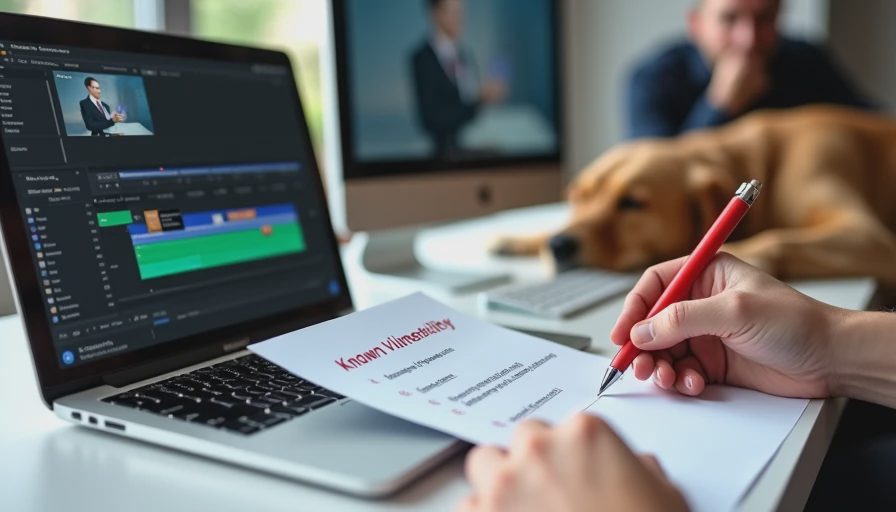
The generation can be strong and the edit can still start in confusion.
I have watched editors receive a polished thirty-second Seedance 2.5 take, drop it into the timeline, and immediately have to reverse-engineer basic facts: which product version was locked, what had already been adjusted, where the motion is fragile, and whether a client note had already been tested against this exact file. The picture looked finished. The context had not traveled with it.
That gap is pure friction. It turns the first hour of editorial into detective work and raises the chance that a later revision will collide with decisions that were never written down. Moving a generative shot into editing without losing context is one of the highest-leverage handoffs in the entire pipeline. It is also one of the easiest to under-specify.
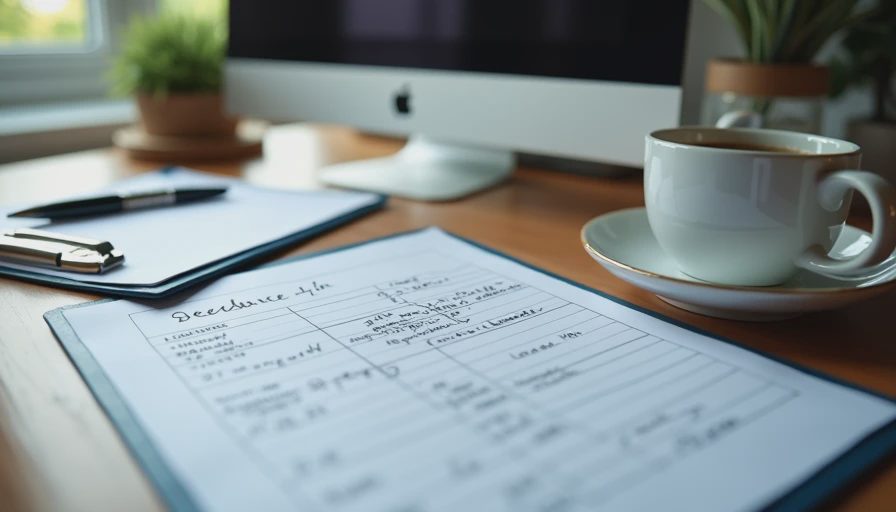
What “Context” Actually Means at This Handoff
Context is not a long report. It is the short set of facts an editor needs so they can cut with confidence instead of caution.
At minimum I require:
The locked elements (product geometry, logo version, any non-negotiable claims)
The reference package summary (what was used as primary control)
Generation settings and resolution that matter for finishing
Cleanup or timestamp adjustments already performed
Known fragile sections or motion that should not be trimmed aggressively
Revision-scope status: which notes have been tested and stayed local, which remain untested
The mark the take carries (Conditional or Candidate) and the reason
When those items arrive with the file, the editor can begin working. When they are missing, the editor has to ask, guess, or discover the limits the hard way.
A Practical Handoff Note That Fits on One Page
I use a single short note that travels with every take that leaves the generation stage. The format is deliberately plain so people will actually write it under time pressure.
Seedance 2.5 Handoff Note
Brief / test ID:
Take mark: Conditional / Candidate
Locked elements:
Primary references used:
Generation settings worth knowing:
Adjustments already made (timestamp, local redraw, cleanup):
Known fragile points:
Revision notes already tested and result:
What the editor can treat as flexible:
Contact for questions:
The note does not need to be elegant. It needs to be complete enough that a different person can cut the shot the next morning without a verbal briefing.
How the Note Changes the Edit
With the note present, three things improve immediately.
First, the editor stops treating every frame as potentially brittle. They know which sections have already survived adjustment and which ones have not.
Second, cut decisions become faster. If the hero moment was already re-timed to a music cue, the editor does not waste time trying to force a different alignment.
Third, when a new client note arrives, the team can see whether it sits inside previously tested scope or whether it opens a new risk. That visibility keeps the edit from becoming an accidental second generation cycle.
Without the note, every one of those advantages disappears and the editor is left to reconstruct the history from the picture alone.
Where Context Most Often Gets Lost
Three common failure points appear in the teams I work with.
The generation operator treats the take as self-explanatory because they watched every iteration.
Selection and marking happen in a meeting, but the decisions are not written onto the file that actually moves.
The file is passed through a producer or shared drive without the sidecar note, and the context stays in someone’s head or in a chat thread that the editor never sees.
All three are process problems, not model problems. Seedance 2.5 can deliver a coherent continuous take. It cannot attach the decision history by itself.
A Short Calibration Story
A team I advised delivered a strong thirty-second product take to editorial with no handoff note. The editor spent the first session discovering that a logo adjustment had already been made, that the motion in the final third was less stable than it appeared, and that a background simplification note had never been tested. Each discovery required a message back to the generation operator. The cut moved slowly.
On the next pilot we required the one-page note before any take could be marked Candidate. The same editor received the file, read the note in two minutes, and began cutting with clear knowledge of what was already locked and what remained flexible. The first version of the cut appeared in a fraction of the previous time.
The pictures were comparable. The context was not. The dog slept through both handoffs. Morgan, after hearing the two versions, said the second one sounded like the only kind of file transfer she trusts. She was right.
What to Install Before the Next Take Leaves Generation
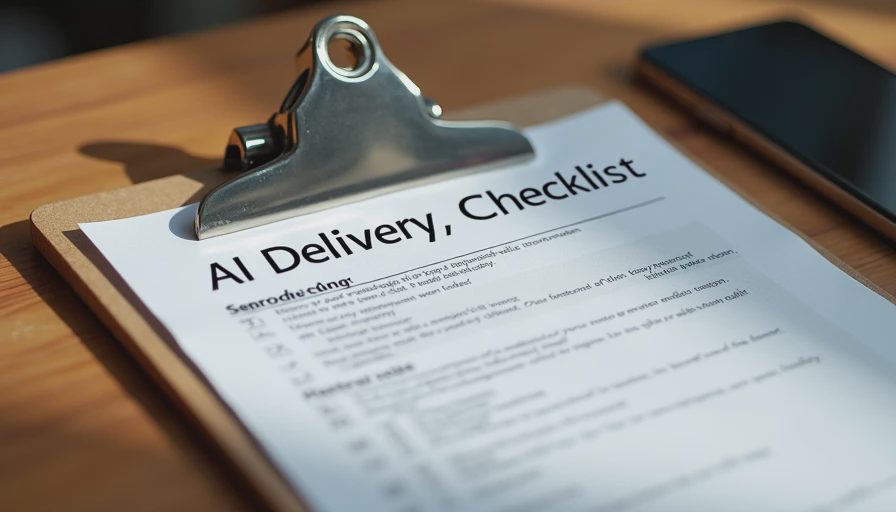
Make the handoff note mandatory for every Conditional or Candidate take.
Keep the template short enough that people will fill it out.
Attach the note to the file or the review record so it cannot be separated in transit.
Ask the editor for a one-sentence reaction: “Did the note give you what you needed to start cutting?”
Fix any repeated gaps in the next cycle.
The generation can look finished. The edit only starts cleanly when the decisions that shaped the take travel with it.
A shot that arrives without context forces the next person to rebuild the history. That is not a handoff. It is a reset.
If it cannot survive the handoff, it is not a workflow yet.



No letters yet — be the first to write.