
Every discarded take still cost money and attention.
I keep seeing budgets that record only the selected generation. The service invoice shows a clean number for the takes that survived. The spreadsheet looks tidy. The reality is messier: the failed, the almost-good, and the “close but wrong logo” takes consumed the same credits, the same review time, and the same decision energy as the finalist. Ignoring them produces an optimistic cost model that collapses on the first live job.
Failed generations are not free. They are a predictable part of the process. The only question is whether the budget acknowledges them before the work begins or discovers them after the money has already been spent.
What Counts as a Failed Generation
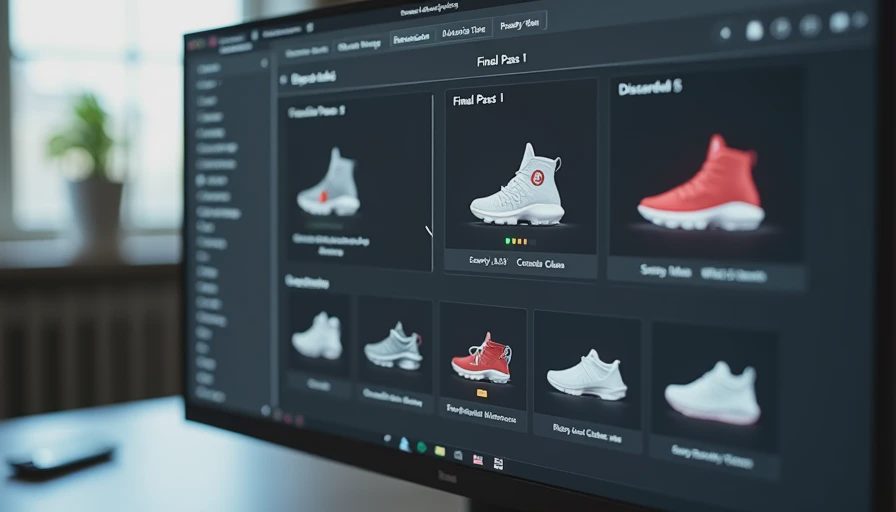
I use a practical definition. A generation is failed for budgeting purposes if it is not the take that moves forward and it still required service cost plus human review.
That category includes:
Obvious technical failures (broken motion, major artifacts, complete product drift)
Takes that look coherent but miss the written selection criteria
Takes that meet the visual criteria but fail the revision-scope test
Extra variations generated after the budgeted set because selection criteria were unclear
All of them belong in the cost. The model does not refund the credits. The team does not get the review minutes back.
Why the “Selected Take Only” Habit Persists
Three reasons appear repeatedly.
First, generation interfaces and invoices make it easy to focus on successful outputs. The discarded takes disappear from the highlight reel.
Second, early enthusiasm treats exploration as free learning. Learning is valuable; it is not free.
Third, traditional production budgets sometimes bury similar waste in contingency or overall post allowances. Generative work makes the waste more visible because each attempt is itemized. Visibility should lead to better counting, not to selective blindness.
A Simple Way to Put Failed Takes in the Budget
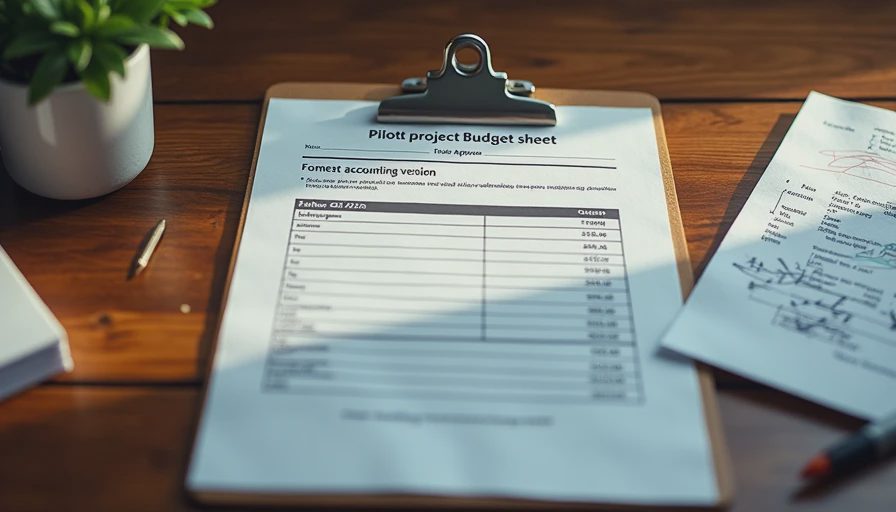
I build every pilot budget with an explicit failed-generation line.
Method
Set a fixed variation budget before generation begins (for example, four to six takes for a first controlled test).
Assume that only one take will move forward.
Budget service cost for the full variation set, not for the single finalist.
Budget human review time for the full set.
Add a small contingency (I usually start with 25–50 % extra service capacity) for the common case where the first set does not produce a revisable candidate and a second short cycle is required.
The resulting number is higher than a “one successful generation” estimate. It is also closer to what the team will actually spend.
What the Numbers Look Like in Practice
On controlled thirty-second product pilots with small agency teams, the pattern is consistent.
A disciplined four-take set often yields one clear Candidate or strong Conditional take. The other three are discarded for product drift, unusable motion, or revision brittleness. Service cost is incurred on all four. Review labor is incurred on all four.
When the first set fails to produce a revisable take, a second short cycle is needed. Teams that already budgeted the contingency absorb it. Teams that budgeted only for success experience the second cycle as an unexpected overrun.
I have never seen a pilot in which every generation was usable. I have seen many pilots in which the budget pretended that outcome was the plan.
How Seedance 2.5 Changes the Accounting (and How It Does Not)
Longer coherent takes and stronger reference conditioning improve the hit rate when preparation is good. Frame-level editing options can turn some near-misses into usable takes without a full restart. Both effects reduce the number of pure failures.
They do not reduce the number to zero. They also do not remove the review labor required to decide which takes are failures. The budget still needs a line for the takes that will not move forward.
The improvement shows up as a better ratio of useful takes to total takes, not as the disappearance of the failed-generation category.
A Short Calibration Story
A team I worked with earlier this year budgeted a pilot on the assumption of “two or three strong generations, one will work.” They generated six. Two were obvious failures. Two were coherent but failed the product-lock criterion. One looked excellent and failed the revision test. One survived.
Service cost and review time had been spent on all six. The budget had been built for three. The overrun was not dramatic, but it was completely predictable and completely avoidable.
On the next pilot we budgeted the full planned set plus a modest contingency. The actual result landed inside the number. The pictures were not better. The accounting was simply honest.
The dog remained indifferent to both spreadsheets. Morgan looked at the before-and-after and said the second version was the only one she would sign. She continues to be right about these things.
What to Do on the Next Budget
Fix the variation budget before any generation begins.
Cost the entire set, not the hoped-for finalist.
Include review labor for every take that will be looked at.
Add a contingency line for a short second cycle.
After the pilot, compare actual failed-take cost to the estimate and adjust the next one.
Failed generations are information. They tell you whether the references were clean, whether the criteria were realistic, and whether the revision path is understood. That information has value. It also has a price. The budget should show both.
A cost model that only counts the surviving take is not a cost model. It is a highlight reel.
If it cannot survive the handoff, it is not a workflow yet.



No letters yet — be the first to write.