
If I had to stand up one practical Seedance 2.5 workflow for a five-person production team tomorrow, I would not start with the most ambitious commercial. I would start with a narrow, repeatable path that protects the handoffs the team already knows how to run.
The team in this example looks like many I work with: one producer / production technology lead, one creative or technical director who owns generation, one editor, one person who can handle light compositing or finishing, and one floating coordinator or junior who can manage references and notes. They handle regional brand work, social and pre-roll packages, and the occasional larger campaign. They do not have unlimited time to invent process.
The workflow below is the first one I would install. It is deliberately limited in scope. Its purpose is to produce a short product-hero take that can survive a realistic revision note and arrive in editorial with enough context to be cut without detective work.
Scope of the First Workflow
What it is for
Thirty-second product-hero social or pre-roll beats where product fidelity is the highest risk.
What it is not for
Full lifestyle storytelling, multi-character performance, or any job where environmental integration is the primary creative risk.
Success definition
A marked take (Conditional or Candidate) that has survived one pre-written revision note, carries a complete handoff note, and can be cut by the editor without a verbal briefing from the generation operator.
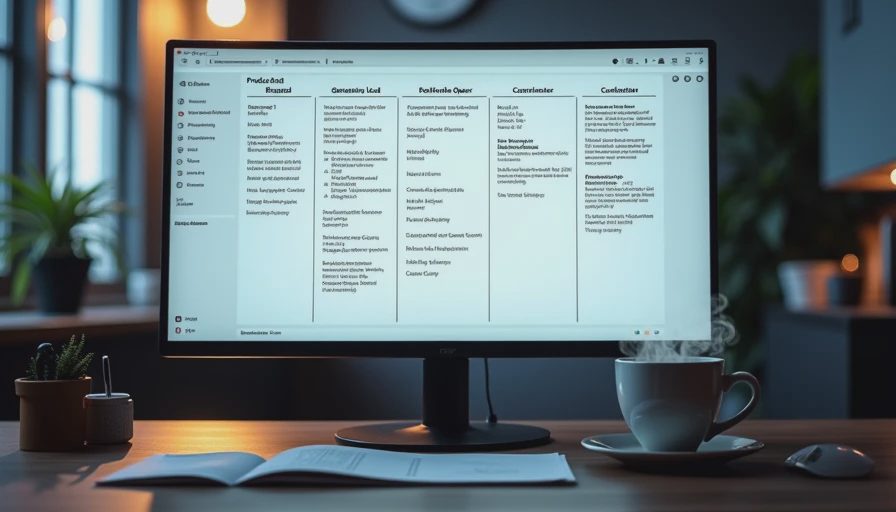
The Roles and the Minimum Path
1. Producer / Production Technology Lead
Owns the prep sheet, the variation budget, the revision-scope statement, and the final Go / Wait / Pass decision.
Does not generate. Protects the process from open-ended exploration.
2. Generation Operator (Creative or Technical Director)
Builds the reference package, runs the fixed variation set, applies the marking system, executes the revision test, and writes the handoff note.
Works inside the written constraints; does not expand the budget without producer approval.
3. Editor
Receives only marked takes that carry the handoff note.
Gives a one-sentence reaction after the first cut attempt: whether the context was sufficient and whether the motion left usable handles.
4. Finishing / Compositing Support
Receives the take only after editorial has confirmed it is cuttable.
Works from the downstream notes already attached (especially if white-box references were used).
5. Coordinator / Junior
Manages reference labeling, file naming, and the travel of the handoff note.
Keeps the process from depending on chat history or memory.
The Step-by-Step Path
Step 1 – Prep Lock (Producer + Generation Operator)
Complete the five-item prep sheet: delivery frame, locked elements, reference package, variation budget, hypothesized revision note.
No generation begins until the sheet is filled.
Step 2 – Reference Package (Generation Operator + Coordinator)
Primary control is a clean, current white-box or controlled-lighting product set.
Secondary environment references only if explicitly needed and cleared.
Every file labeled and rights-checked.
Step 3 – Fixed Generation Cycle
Variation budget is set and respected (typically four to six takes for the first workflow).
All takes reviewed against the written selection criteria.
Failed and discarded takes are counted in the cost.
Step 4 – Internal Marking
Every take receives a Demo-Quality, Conditional, or Candidate mark.
Only Conditional and Candidate takes may leave the generation stage.
Conditional takes carry an explicit revision-scope note.
Step 5 – Revision Test
The pre-written note is applied exactly as written.
Result is recorded: stayed local, required targeted adjustment, or forced full regeneration.
Mark is updated if necessary.
Step 6 – Handoff Note
The one-page note is completed: locked elements, references, settings, adjustments already made, fragile points, tested revision status, compliance block.
No take moves to editorial without it.
Step 7 – Editorial Receipt
Editor cuts from the marked take and the note.
Returns a one-sentence usability reaction.
Any gap in context is fixed in the next cycle, not debated in the moment.
Step 8 – Decision
Producer applies the Go / Wait / Pass framework using the three questions: revision survival, fully loaded cost, transferability.
Only a Go under documented constraints allows the process onto a live job.
What This Workflow Deliberately Leaves Out
It does not try to solve multi-shot storytelling, complex environmental integration, or full finishing in one pass. Those problems are real; they are not the first problems a five-person team should attempt to solve with a new generative path.
It also does not rely on one hero operator’s undocumented judgment. Every critical decision is written down so a second person can run the same path.
Why Start Here
A five-person team does not need a comprehensive AI video system on day one. It needs one path that is narrow enough to control, expensive enough in the right places to reveal friction, and clear enough that the next brief can reuse it without starting from zero.
White-box product heroes with a fixed variation budget, a mandatory revision test, and a traveling handoff note give the team measurable evidence on the questions that actually matter: Can we lock the product? Can we absorb a realistic note? Can the editor work without a verbal briefing? Can someone else run the same steps?
Once those answers are stable, the team can widen the scope. Until they are stable, widening the scope simply multiplies the places the process can fail.
A Closing Calibration
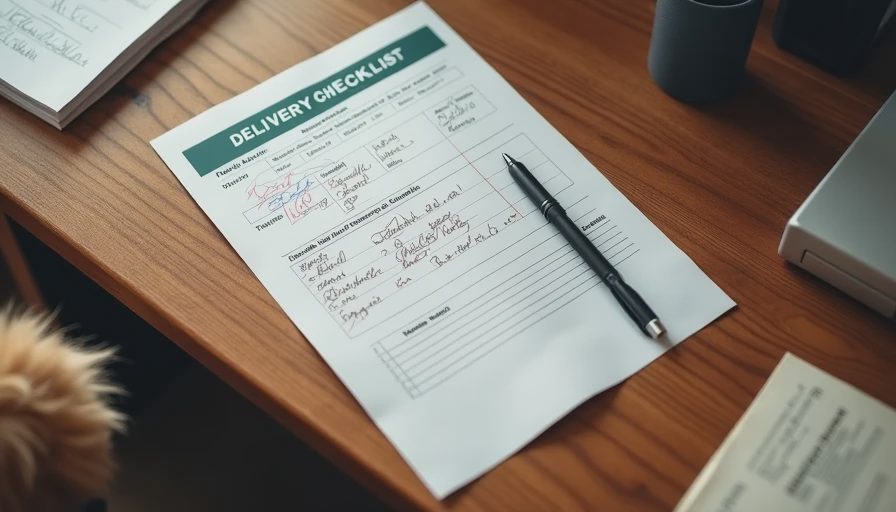
I have installed versions of this exact path with small teams. The first cycle is never the fastest. The second and third cycles are where the time and cost numbers settle. The teams that treat the first cycle as a measurement exercise rather than a victory lap are the ones that reach a trustworthy Go decision.
The dog has slept through more of these installations than I can count. Morgan, after watching one team move from unstructured testing to this narrow path, said it was the first time their AI work started to look like the rest of their production process. That is the only compliment that matters.
Build the narrow path first. Make the handoffs survive. Then decide what to add.
If it cannot survive the handoff, it is not a workflow yet.

No letters yet — be the first to write.